


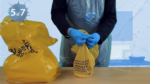



Spill Kits Training: Bodily Fluids
£20.00
This online training course aims to teach the user the best practices surrounding the handling of a spill of bodily fluids. Additionally, it looks into the dangers associated with the spillages.
The course aims to ensure the user is working towards compliance with The Control of Substances Hazardous to Health Regulations (COSHH) 2002, and how they can effectively deal with a spill and what procedure they should follow, including what is in a spill kit.
| Accreditations | CPD, Skills For Care |
|---|---|
| Course Duration | 15 mins (approx) |
| Languages | 41 |
Welcome to our comprehensive Spill Kits for Bodily Fluids Training. This program is tailored to enlighten you on the correct utilization of spill kits. Additionally, it focuses on the procedures for addressing bodily fluid spills. We highlight the critical need to grasp the elements of spill kits. Furthermore, we’ll guide you on responding adeptly to bodily fluid spills. Our aim? To significantly lessen health and safety hazards. In our journey, we will delve into vital topics across several key sections.
- Spill Kits : Begin by gaining a comprehensive understanding of what spill kits are and their importance in managing bodily fluid spills. In this section, you will learn about:
- The components of spill kits designed for bodily fluid spills, including absorbents, PPE (Personal Protective Equipment), and disposal materials.
- Different types of spill kits tailored for specific settings, such as healthcare facilities or public spaces.
- Proper storage and accessibility of spill kits to ensure quick and effective response.
- Dealing with a Spill : Explore the step-by-step procedure for responding to bodily fluid spills effectively. In this section, you will discover:
- The importance of immediate action to prevent the spread of infections and minimize health risks.
- How to assess the size and severity of the spill to determine the appropriate response.
- Techniques for using the spill kit components, including absorbents, PPE, and disinfectants.
- Procedures for proper cleanup, disinfection, and disposal of contaminated materials.
Upon finishing the Spill Kits for Bodily Fluids Training, you will master spill kits, their parts, and how to respond to bodily fluid spills. Your dedication to this training will lead to a safer, healthier environment by reducing risks from bodily fluid spills. Now, let’s embark on this journey to equip you with the knowledge and skills for effective and responsible handling of bodily fluid spills.
Related products


General Workshop Safety Training
Help your team spot common workshop hazards and understand safer working habits. This online awareness course covers risk reduction, safety signs, protective equipment and workshop responsibilities.
Suitable for workshop staff alongside site-specific induction and practical instruction for the tasks and machinery they use.


 Fire Safety
 Mandatory Health & Safety
 Workplace Culture & Conduct
 Health & Social Care
 Safeguarding
 Food Safety
 First Aid
 Returning To Work Essentials
 Mental Health & Wellbeing
 GDPR & Cyber Security
 Leadership