


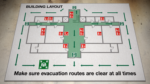


Fire Warden Training Care Environment
£20.00
This online training course provides the user with all the information they need to become a trained Fire Warden or Fire Marshal but does not replace practical training. The course was designed specifically for those working in care homes and hospitals.
This eLearning course was designed to help the user gain an understanding of their duties when it comes to creating and maintaining risk assessments, coordinating fire evacuations, and managing emergency procedures on the premises.
Broken down into five sections, this short training course was designed to be easily digestible for the appointed person, ensuring that they retain the information once finished.
| Accreditations | CPD, Skills For Care |
|---|---|
| Course Duration | 75 mins (approx) |
| Languages | 41 |
Welcome to the Fire Warden Training Care Environment course, a comprehensive program tailored to individuals responsible for fire safety and emergency response in care settings. This training equips fire wardens in care facilities with the knowledge and skills necessary to fulfill their crucial role effectively. We will cover essential topics in the following key sections:
- Introduction : Begin with an overview of the role and responsibilities of a fire warden in a care environment. Understand the importance of fire safety in care settings, including the potential risks associated with vulnerable individuals. Learn how fire wardens play a critical role in ensuring the safety and well-being of residents and staff during fire emergencies.
- Prevention Measures : Prevention is key to fire safety. Explore proactive measures that fire wardens can take to minimize fire risks in care facilities. Learn how to conduct fire risk assessments, identify and mitigate fire hazards, and promote fire safety awareness among residents and staff. Understand the importance of regular fire drills and the role of fire wardens in planning and executing these drills.
- Performing an Evacuation : One of the primary responsibilities of a fire warden is to perform evacuations safely and efficiently. Firstly, you will learn how to assess the situation during a fire emergency. Following that, you’ll discover the correct procedure for activating alarms. Subsequently, we’ll cover how to assist residents with mobility challenges, ensuring their safety and ease of evacuation. Finally, we will focus on the vital task of ensuring that everyone is accounted for during evacuations, completing the comprehensive training on managing fire emergencies effectively. Understand the importance of calm and organized evacuations, especially when dealing with vulnerable individuals.
- Types of Extinguishers : Fire wardens should be familiar with the types of fire extinguishers available in their care facility. Dive into the different classes of fire extinguishers, understand their color codes, and learn about the specific types of fires each class is designed to combat.. Learn about the PASS (Pull, Aim, Squeeze, Sweep) technique for using fire extinguishers effectively. Understand the limitations of portable extinguishers and when it is appropriate to use them.
- Relevant Legislation : Complying with relevant fire safety legislation is essential in care settings. Gain insights into the legislation and regulations that govern fire safety in care facilities. Learn about the legal requirements for fire risk assessments, fire prevention measures, and emergency planning. Understand the role of fire wardens in ensuring compliance with these regulations.
Completing this Fire Warden Training Care Environment course equips you with the necessary skills to actively serve as a fire warden within a care facility. You will learn how to prevent fires, conduct safe evacuations, and adhere to relevant laws effectively. Your dedication to mastering this training plays a crucial role in enhancing the safety and well-being of both residents and staff in the care environment. We are now embarking on a transformative journey to empower you to become an efficient fire warden in care settings.
Related products


Fire Awareness Training
No matter what working environment your organisation operates in, it is a legal requirement that your staff complete Fire Awareness Training. This course is designed to cover all industry sectors and assists users in the basics of fire, how to keep their workplace safe, and how to work towards compliance with current legislation.
This eLearning course is cost-effective and easy to set up, which is the ideal way to help your organisation comply with current legislation. With thousands of companies across the UK already using this training course, this best-seller is a crucial course for all organisations


Anaphylaxis & Allergies Training for Schools & Carers
This online training course has been designed to be used by anyone who cares for children, including those in schools, parents, guardians, youth workers and childminders. Our training will provide you with a step-by-step emergency procedure to follow in response to an anaphylactic shock.
In just 40 minutes you will learn about what Individual Healthcare Plans are, the different types of allergies and how they are caused, what anaphylaxis is, school policies and responsibilities and the impact that these allergies can have on a child.


First Aid Appointed Person Training
This online training course is designed for the use of an organisation’s First Aid Appointed Person(s) and helps them to work towards compliance with The Health and Safety (First Aid) Regulations 1981.
The 20-minute course aims to help them understand legislation surrounding their role, their responsibilities, and what information they need when speaking to emergency services.


Fire Extinguisher Training
Fire Extinguishers should only be used when it is safe to tackle a fire, the rule to follow is one fire one extinguisher - if it looks like it will take more than one extinguisher to put out the fire, it is too big to tackle and the workplace should be evacuated.
This course will educate learners on the different classes of fires, the type of extinguisher you should use for each fire and the technique to use for all of them, including fire blankets.


Epilepsy Training for Schools & Carers
This online training course should be used by anyone caring for a child with epilepsy. Learners will gain a better understanding of the different types of epileptic seizures and what your responsibilities are when caring for children with epilepsy.
The course aims to help the user understand what can trigger a seizure and the larger effects that epilepsy can have on a child's education and wellbeing.


Electrical Safety Training
Electricity is the main cause of over 15,000 fires per year, so it is apparent that there is an element of danger associated with its use. For this reason, it is essential that those who use electrical appliances at work understand how to safely use and maintain these devices.
Our online training course helps the user work towards legal compliance with current legislation, and also how to react in an emergency and deal with electrical injuries and burns.


Display Screen Equipment (DSE) Training
Anybody who regularly uses display screen equipment is legally required to undertake DSE Training. This training course can help your organisation work towards compliance with The Health and Safety (Display Screen Equipment) Regulations 1992 & can help avoid injuries in the workplace.
This DSE Training course helps to ensure that your employees understand how to properly take care of their health whilst at work by ensuring that their immediate working environment is at its best


Abrasive Wheel Safety Training
This online training course was designed for employees who handle, operate, and maintain abrasive wheels in the workplace. Covering the dangers, legal responsibilities, and inspections of abrasive wheels, this course aims to leave the user confident in their day-to-day duties working towards compliance with the PUWER regulations.
Abrasive wheels can be extremely dangerous if not used correctly, and this course should not be used instead of practical training, but rather to work alongside practical training to ensure the user understands their legal responsibilities.
 Fire Safety
 Mandatory Health & Safety
 Workplace Culture & Conduct
 Health & Social Care
 Safeguarding
 Food Safety
 First Aid
 Returning To Work Essentials
 Mental Health & Wellbeing
 GDPR & Cyber Security
 Leadership